
"Cuba coffee flavors"
2000 article(s) found

Introduction of Flavor and Taste characteristics of Fine Coffee beans in Coffee Manor of Crystal Mountain, Cuba
In 1748, coffee was introduced into Cuba from Domiga, and Cuba began to grow coffee ever since. With fertile land, humid climate and abundant Rain Water, Cuba can be called a natural treasure land for coffee cultivation. The suitable natural conditions provide a favorable natural environment for the growth of coffee trees, and coffee is well planted and developed here. In Cuba, the cultivation of coffee is regulated by the state. Cuba is the best

Cuban Crystal Coffee Premium Coffee Coffee Bean Flavor Taste Manor Features Introduction
It covers an area of 109884 square kilometers,[3] of which Cuba Island is 104,555.61 square kilometers and the surrounding islands and reefs are 3,126.43 square kilometers. Cuba is located in the northwest Caribbean Sea, facing Haiti to the east, 140 kilometers south of Jamaica and 217 kilometers north of the top of the Florida Peninsula. Cuba consists of more than 1600 islands such as Cuba Island and Youth Island (formerly Pine Island), which is the West Indies.

Sino-American Coffee | Cuban Coffee producing areas introduce the special flavor of traditional Cuban coffee
Cuba has grown coffee for more than two centuries, including high-quality Arabica coffee varieties. Cuban coffee is usually strong espresso. Traditional Cuban coffee is dark roasted, finely ground coffee, using an espresso machine or mocha pot to make espresso. An important coffee growing area in Cuba is located in Selama Estra in eastern Cuba.

Delicate and smooth Cuban Crystal Mountain Coffee Flavor Description Variety Features Boutique Coffee Introduction
Cuba's longest river, the Ro Cauto, is 370 km long. [1]Cuba has more than 200 rivers and thousands of streams, most of which run north-south, so the current is short and turbulent. Located north of the Maestra Mountains, the east-west flow of the Cato River is Cuba's largest river, but only 370 kilometers long, Cuba's only navigable river. Cuba coastline twists and turns, general

Differences, distinctions and prizes of single beans in Crystal Mountain Coffee, Cuba
For the exchange of professional baristas, please pay attention to the coffee workshop (Wechat official account cafe_style) Cuban Crystal Mountain Coffee single bean difference, distinction and award situation Crystal Mountain Coffee is the top representative of Cuban coffee, while Cubita is the top representative of Crystal Mountain Coffee. Cubita Amber is the display coffee for the celebration of the 50th anniversary of the establishment of diplomatic relations between China and Cuba, and the exhibition of the Shanghai World Expo-Cuba Pavilion.

Introduction to the Flavor description Manor of Fine Coffee beans in the Coffee Variety producing area of Crystal Mountain, Cuba
Located in the West Indies, the Republic of Cuba has a detached and pristine natural environment, the beautiful Caribbean Sea and the world-famous Crystal Mountain Coffee. In 1748, coffee was introduced into Cuba from Domiga, and Cuba began to grow coffee ever since. With fertile land, humid climate and abundant Rain Water, Cuba can be called a natural treasure land for coffee cultivation. The suitable natural condition is the growth of coffee trees.

A brief introduction to the description of the flavor, taste and aroma characteristics of Cuba Crystal Mountain boutique coffee beans.
In Cuba, most of the coffee beans are picked by hand. Coffee beans are picked about every half a month during the ripening period. During or after picking, coffee beans are classified and those immature and bad beans are removed to ensure the quality of the coffee. Cubans usually deal with coffee beans in two ways: sun exposure and water washing. Sunbathing is the easiest,

Cuban Crystal Coffee Flavor Taste introduction to Fine Coffee beans in Manor area
Cuba's coastline is about 6000 kilometers long, most of which are flat, with mountains in the east and middle and hills in the west, and most of the territory has a savanna climate. [6] in addition to Cuba, it also includes more than 1600 surrounding islands of different sizes. The islands consist of five islands: Savannah, Camag ü ey, Colorados, Queen's Garden and Canare.

The best producing area of Cuban Crystal Mountain Coffee introduces its unique flavor.
Crystal Mountain in Cuba has always been sought after by coffee people, its flavor and taste features: full particles, uniform taste, with tobacco flavor. Located in the West Indies, the Republic of Cuba has a detached and pristine natural environment, the beautiful Caribbean Sea and the world-famous Crystal Mountain Coffee. In 1748, coffee was introduced into Cuba from Domiga, and Cuba began to grow coffee ever since. Cuba

Coffee flavors from different coffee producing areas around the world Coffee production in Cuba
Cuba recorded that there were 2067 coffee plantations in Cuba in 1833. Among them, the earliest seven coffee plantation sites, such as Raglan Piedra, Elkovre, El Salvador and Nisto Perez, are listed as World Cultural Heritage. The seven coffee plantations are the foothills of the Maestra Mountains in the provinces of Santiago and Guantanamo in southeastern Cuba in the 19th century (figure 17 is a postcard).
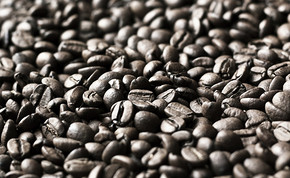
Cuba Coffee Coffee Crystal Mountain Coffee
Flavor and taste characteristics: full of particles, uniform taste, tobacco flavor the Republic of Cuba is located in the West Indies, with a detached and primitive natural environment, the beautiful Caribbean Sea and the world-famous Crystal Mountain Coffee. In 1748, coffee was introduced into Cuba from Domiga, and Cuba began to grow coffee ever since. The land in Cuba is fertile, the climate is humid, and Rain Water is abundant.

Introduction to the characteristics of Cuban Crystal Mountain Coffee Flavor and Fine Coffee beans
In addition to Cuba, it also includes more than 1600 surrounding islands of different sizes. The islands are made up of five islands: Savannah, Camag ü ey, Colorados, Queen's Garden and Canareos. Youth Island (also known as Pine Island), located in Batahuano Bay, is the only larger island along the coast. The total length of the coastline is 6073 kilometers. Most of the island of Cuba is flat

Cuban Crystal Mountain Coffee with a slight acidity Flavor Taste Manor Features Boutique Coffee Introduction
It covers an area of 109884 square kilometers,[3] of which Cuba Island is 104,555.61 square kilometers and the surrounding islands and reefs are 3,126.43 square kilometers. Cuba is located in the northwest Caribbean Sea, facing Haiti to the east, 140 kilometers south of Jamaica and 217 kilometers north of the top of the Florida Peninsula. Cuba consists of more than 1600 islands such as Cuba Island and Youth Island (formerly Pine Island), which is the West Indies.

Introduction to the flavor and origin of Cuban coffee beans Crystal Mountain Coffee
For professional baristas, follow the Coffee Workshop (Wechat official account cafe_style) Cuba, located in the Caribbean, is a communist island country with Havana as its capital. Cuba is famous not only for its snow-white beaches and cigar tobacco, but also for its excellent coffee. Coffee in Cuba has a long history of growing coffee, Jos Antonio Gelabert in 1.
The Origin of Crystal Mountain Coffee in Cuba
Following caf é (Wechat official account vdailycom) found that the Beautiful Cafe opened a small shop of its own in Cuba Cubita: coffee was introduced to Cuba from Dominica in 1748, and Cuba has been growing coffee ever since. Cuba is an archipelago in the northern Caribbean Sea. With fertile land, humid climate and abundant Rain Water, Cuba can be called a natural treasure land for coffee cultivation. The suitable natural condition is coffee.

Mysterious, low-key Cuban coffee flavor
For more information on coffee beans, please follow the history of coffee workshops (official Wechat account cafe_style): the coffee industry in Cuba began in the mid-18th century. The first coffee farm was established by Don Jos Gelabert in Wajay on the outskirts of Havana in 1748. The seeds of coffee came from Santo Domingo at that time, that is, Dominica today.

Cuba: Crystal Mountain Coffee
Flavor and taste characteristics: full of particles, average taste, tobacco flavor the Republic of Cuba is located in the West Indies, with a detached, primitive natural situation, the windy Caribbean Sea and the world-famous Crystal Mountain Coffee. In 1748, coffee was introduced into Cuba from Domiga, and Cuba began to grow coffee. The land in Cuba is fertile, the weather is wet, and Rain Water is abundant, which can be called coffee.

Introduction of Cuban Crystal Coffee Flavor Manor with meticulous smoothness and freshness
In addition to Cuba, it also includes more than 1600 surrounding islands of different sizes. The islands are made up of five islands: Savannah, Camag ü ey, Colorados, Queen's Garden and Canareos. Youth Island (also known as Pine Island), located in Batahuano Bay, is the only larger island along the coast. The total length of the coastline is 6073 kilometers. Most of the island of Cuba is flat

Introduction to the quality and taste of Coffee Manor name, Origin and Flavor description in Cuba
Cuban coffee introduces that there are nickel, cobalt, manganese, chromium, iron and copper with mining value. Among them, nickel reserves are about 6.6 million tons, accounting for 40.27% of the world's total reserves. Manganese reserves are about 7 million tons; chromium reserves are also abundant; iron ore reserves are about 3.5 billion tons, mainly distributed in the Nippe Mountains and Balakoa Mountains, which is one of the largest reserves in the world; almost all the mountains in Cuba

Fruit-scented Cuban Crystal Mountain Coffee roasting degree Grinding degree Flavor description characteristics Manor introduction
In addition to Cuba, it also includes more than 1600 surrounding islands of different sizes. The islands are made up of five islands: Savannah, Camag ü ey, Colorados, Queen's Garden and Canareos. Youth Island (also known as Pine Island), located in Batahuano Bay, is the only larger island along the coast. The total length of the coastline is 6073 kilometers. Most of the island of Cuba is flat